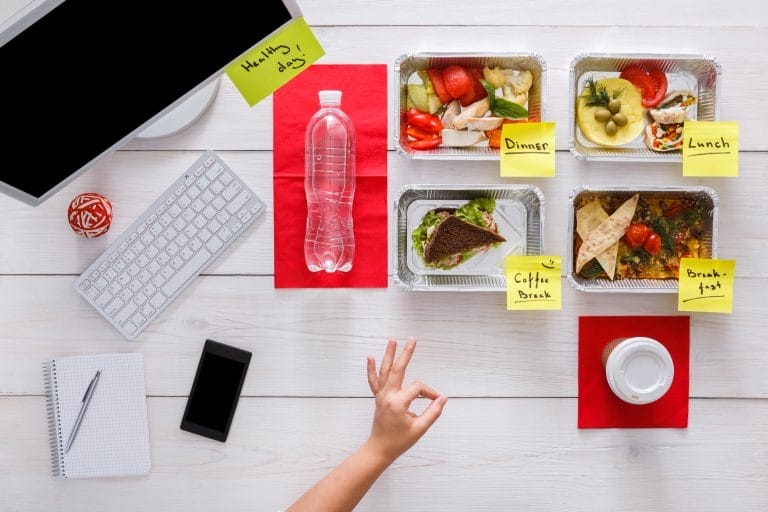
You know how it goes. You decide you want to eat a little healthier—maybe boost your energy, feel better in your body, or just take better care of yourself. So you start reading labels, diving into nutrition articles, or following those wellness accounts that make everything look so simple and beautiful. At first, it feels amazing, like you’ve finally got this whole healthy living thing figured out.
But then something shifts. Suddenly, every meal feels like a test you might fail. You’re second-guessing every bite, feeling anxious when you can’t control exactly what’s in your food. Maybe you start saying no to dinner invitations, skipping the office potluck, or feeling stressed about that family barbecue because what if there aren’t any “good” options? Even making food choices can trigger anxiety and lead to avoiding social situations altogether.
Sound familiar? What you’re experiencing is called food anxiety—when eating, something that’s supposed to nourish and bring joy, turns into a source of worry and fear. Sometimes this overlaps with orthorexia, which is basically getting so fixated on eating “perfectly” that it stops being healthy at all.
Here at the Center for Healthy Eating and Activity Research (CHEAR), we see this all the time. People come to us with the best intentions—they genuinely want to take care of themselves—but somewhere along the way, they got caught up in worry, guilt, and rigid rules about food. And here’s the thing: this can happen to anyone. Whether you’re 25 or 75, living alone or with others, retired or climbing the career ladder—food anxiety doesn’t discriminate.
If you’re reading this and thinking “yes, this is me,” take a breath. You’re definitely not alone, and you’re not doing anything wrong. This post is here to help you understand what’s happening, why it happens, and most importantly, how you can start finding your way back to enjoying food again.
Let’s Talk About Disordered Eating
First, let’s get clear on what we’re dealing with. Disordered eating is basically a range of irregular eating habits that can really mess with both your physical and mental health. Now, we all have moments where we worry about food or feel “off” about our eating—that’s totally normal. But disordered eating goes deeper than that.
We’re talking about patterns like constantly restricting what you eat, binge eating episodes, or getting stuck in cycles where you feel guilty and ashamed about food. These behaviors can actually increase your risk of developing a full-blown eating disorder like anorexia, bulimia, or binge eating disorder—all of which are serious mental health conditions that need professional attention. The most common eating disorders include anorexia nervosa, bulimia nervosa, and binge-eating disorder. These are also considered the common eating disorders that affect people of all ages.
Here’s what’s important to understand: eating disorders are complex mental health conditions that affect way more than just how you eat. They mess with how you see your body, how you feel about yourself, and your overall well-being. There are lots of factors that can contribute—your genetics, your environment, cultural pressures, personal experiences. Mental health professionals use something called the DSM-5 to diagnose these conditions and figure out the best treatment approach.
The good news? Catching these patterns early makes a huge difference for people of all ages and backgrounds. If you or someone you care about is struggling with food stuff, reaching out to a mental health professional can be a game-changer. Treatment usually involves therapy, working with a dietitian, and medical support—basically a whole team approach to get you back to a healthy, happy relationship with food. And here’s the most important part: recovery is absolutely possible. That first step of reaching out? It’s brave, and it works.
So What Exactly Is Food Anxiety?
Food anxiety is basically all that worry, guilt, and stress that bubbles up around eating. Sometimes it shows up in small ways—like spending way too much time studying a restaurant menu online before you go out. Other times, it’s bigger and more overwhelming, like avoiding meals with other people altogether because you’re afraid you’ll lose control or make the “wrong” choice.
Here’s an important distinction: being thoughtful about nutrition isn’t the same thing as being anxious about food. Healthy eating is supposed to be about balance, flexibility, and feeling good in the long run. Food anxiety? That’s when fear and rigid rules take over.
At CHEAR, our whole philosophy is that healthy eating should make your life better, not take it over. Whether you live alone, with a partner, have kids at home, or your kids are all grown up—if eating feels like a trap instead of something that nourishes you, that’s your body and mind waving a flag that says “hey, we need more balance here.”
Are You Dealing with Food Anxiety? Let’s Check
Food anxiety looks different for everyone, but here are some signs that might feel familiar:
You’re constantly overthinking food. Even when you’re not hungry, you find yourself worrying about your next meal or snack. It’s like having a really annoying food critic living in your head 24/7.
You’re saying no to fun stuff. Turning down dinner invitations, skipping the work potluck, avoiding that book club meeting because there might be snacks you can’t control—basically, food worry is keeping you from connecting with people.
Food guilt is real. After eating, you beat yourself up for not following your “rules” perfectly. It’s like having a mean internal voice that won’t let you just enjoy a meal.
You can’t eat without doing math. Every bite comes with calculations—calories, macros, ingredients. It’s exhausting, and it takes all the joy out of eating.
Meals stress you out. Instead of looking forward to food or even feeling neutral about it, eating feels overwhelming and anxiety-provoking.
Your relationships are suffering. Whether it’s with family, friends, coworkers, or neighbors, food anxiety is getting in the way of connecting with people around shared meals.
Your body is telling you something’s up. Maybe you’re seeing changes in your weight, dealing with digestive issues, or feeling more tired than usual—signs that stress or restrictive eating might be taking a toll.
Sometimes, negative experiences with food or concerns about body image can lead to restrictive eating patterns, or situations where you refused to eat or only ate very little.
Recognizing these patterns is actually huge—it means you’re becoming aware of what’s happening, and awareness is where change begins. At CHEAR, we always tell people: noticing these things isn’t about judging yourself. It’s about getting curious and opening the door to feeling better.
Spotting Food Anxiety in Others (And How to Help)
Sometimes you might notice these patterns not in yourself, but in someone you care about—maybe your child, teen, partner, friend, or even a colleague. Food anxiety can look different depending on someone’s age and life stage, but there are some things to watch for.
In Children (Elementary Age)
Kids with food anxiety might start becoming really picky about foods they used to eat, or they might seem worried or upset around mealtimes. You might notice them asking lots of questions about ingredients, avoiding school lunch, or getting distressed if their usual foods aren’t available. Sometimes they’ll make comments about foods being “good” or “bad,” or worry about their body in ways that seem beyond normal childhood development. It’s important to distinguish picky eating, which is common and usually not harmful, from more severe disorders like ARFID, which can lead to nutritional deficiencies and require medical intervention.
In Teens
Teenagers might become secretive about eating, skip meals frequently, or suddenly develop very rigid food rules. They might avoid social situations involving food, spend excessive time reading nutrition labels or looking up food information online, or express intense guilt after eating certain foods. You might also notice mood changes around mealtimes, exercising excessively, or frequent comments about their body or weight. Body image issues are a significant reason to seek professional help for teens struggling with eating.
In Adults
Adult food anxiety can be sneakier since adults are often better at hiding their struggles. Watch for friends or family members who consistently decline food-related social invitations, seem stressed or anxious around meals, have become inflexible about their eating habits, or frequently talk about “clean” eating or food rules. They might also show physical signs like fatigue, mood changes, or digestive issues.
Starting the Conversation (Without Making Things Worse)
If you’re concerned about someone, approaching the topic can feel really tricky. Here are some gentle ways to start:
Lead with care, not criticism. Instead of “You’re being weird about food,” try “I’ve noticed you seem stressed around mealtimes lately. How are you feeling about things?”
Ask open-ended questions. “How are you doing with eating lately?” or “I’m wondering if food has been feeling stressful for you?” gives them space to share what’s really going on.
Avoid food police behavior. Don’t comment on what they’re eating or not eating, and definitely don’t try to force them to eat certain things. This usually backfires and increases anxiety.
Focus on feelings, not food. “You seem worried about something—want to talk about it?” can be more helpful than “Why won’t you eat that?”
Offer support without solutions. Sometimes the best thing you can do is listen and say, “That sounds really hard. How can I support you?”
Know when to suggest professional help. If the anxiety seems severe, is affecting their daily life, or you’re seeing physical symptoms, gently suggest talking to a healthcare provider. “Have you thought about talking to someone who specializes in this stuff? It might be really helpful.”
The goal isn’t to fix everything in one conversation—it’s to open the door and let them know they’re not alone. Sometimes just knowing someone cares and isn’t judging can be incredibly powerful.
But How Did “Healthy Eating” Become So Stressful?
Great question! You probably started with genuinely good intentions—wanting to feel better, have more energy, take care of yourself. So how did it turn into this anxiety-inducing thing? The truth is, there are a bunch of factors that can turn healthy intentions into food stress, and they can affect anyone.
Diet Culture Is Everywhere (And It’s Sneaky)
We’re swimming in messages about “clean eating,” weight loss, and having the “perfect” body. Instagram, TikTok, magazines, even the grocery store checkout line—everyone’s selling the idea that you need to control, measure, and restrict food to be “healthy.” These messages are designed to make you feel like you’re not doing enough, regardless of your age or where you are in life.
The Comparison Trap
Whether you’re scrolling through social media or just chatting with friends about their latest diet, it’s so easy to start comparing. Someone else’s “perfect” smoothie bowl can make your normal breakfast feel inadequate. This happens to everyone—from college students to retirees—and it feeds into anxiety about whether you’re eating “right.”
Life Gets Messy, Food Feels Controllable
When life throws curveballs—job stress, health scares, relationship changes, kids leaving home, retirement adjustments, or just general uncertainty—controlling food can feel like the one thing you can manage. It makes sense! But food anxiety can also team up with other mental health stuff like anxiety or depression, making everything feel more intense.
Fear of the Unknown
Ever felt panicked about eating at a new restaurant because you don’t know what’s in the food? Or stressed about going to someone’s house for dinner because you can’t control the menu? That fear of the unknown creates this cycle where you avoid more and more situations, which just makes the anxiety stronger.
Here’s what we see a lot at CHEAR: those rigid food rules feel super safe at first. They give you a sense of control. But eventually, they start controlling you instead of making you feel better. That’s when “healthy eating” crosses the line into food anxiety territory.
How Food Anxiety Affects Your Life (Spoiler: It’s Not Just About Food)
Food anxiety isn’t just mentally exhausting—it can really impact your whole life in ways you might not even realize:
Your body starts struggling. When you’re constantly restricting or stressing about food, your body might not get the nutrition it needs. This can lead to feeling tired all the time, digestive weirdness, hormone imbalances, or just generally feeling “off.” Your body needs fuel to do all the amazing things it does for you!
Your mental health takes a hit. All that anxiety, guilt, and shame around food? It doesn’t stay contained to mealtimes. It can make you feel more stressed overall, more down, and sometimes isolated from the people you care about.
Your social life suffers. When you start saying no to dinner dates, skipping celebrations, or feeling anxious at gatherings, you’re missing out on connection. Whether it’s coffee with a friend, lunch with colleagues, or holiday meals with family, food anxiety can create distance in your relationships.
Life feels smaller. Food anxiety can make you less spontaneous, less willing to try new things or travel, and generally less flexible. It’s like having an invisible fence around your life that keeps getting smaller.
Here’s the ironic part: what started as wanting to be healthier can actually end up hurting both your body and mind. That’s exactly why the programs at CHEAR focus on building a relationship with food that supports your whole self—not just what’s on your plate, but how you feel, how you connect with others, and how you experience life. An unhealthy relationship with food and body image can be a sign of deeper issues that may require professional support.
Breaking Free: Strategies That Actually Work

Here’s the really good news: food anxiety doesn’t have to be permanent. With some support and intentional steps, you can absolutely rebuild a relationship with food that feels freeing and joyful. No matter where you’re starting from or what your life looks like, these strategies can help:
Ditch Perfection, Embrace “Good Enough”
Health isn’t about eating perfectly 100% of the time—that’s not realistic or sustainable. It’s about patterns over time. One meal, one snack, one day doesn’t define your health. Instead of asking yourself, “Was this healthy enough?” try asking, “Did this satisfy me and give me some energy?”
At CHEAR, we love encouraging people to zoom out. Look at your week or your month of eating, not just that one slice of pizza or missed salad. The big picture is what matters.
Try Mindful Eating (It’s Not As Woo-Woo As It Sounds)
Mindful eating just means slowing down a bit, paying attention to your hunger and fullness cues, and actually tasting your food. When you stop judging every bite, eating becomes less about following rules and more about the actual experience.
Here’s a simple thing to try: at your next meal, take one bite and really notice the texture, flavor, and smell before you swallow. That little pause can start shifting how you experience food from stressful to neutral or even pleasant.
Challenge Those Food Rules
Food anxiety loves rigid rules like “I can never eat carbs” or “Sugar is poison.” But here’s the thing—these rules are often based on fear rather than actual science. Carbs fuel your brain and give you energy. Sugar in moderation can absolutely be part of a joyful, balanced life.
Our Regulation of Cues (ROC) program at CHEAR helps people reconnect with their body’s natural hunger and fullness signals. When you start trusting your body again, those rigid food rules lose their power.
Get Comfortable with Flexibility
Give yourself permission to be flexible, even when it feels scary at first. Maybe that means saying yes to an unexpected dinner invitation, trying something new when you’re traveling, or having dessert just because it sounds good. Flexibility actually makes you more resilient and helps you feel more in control over time, not less.
You Don’t Have to Do This Alone
Seriously, you don’t need to figure this out by yourself. At CHEAR, our team of psychologists, dietitians, and researchers specialize in evidence-based treatments that can be tailored to your specific situation and needs.
And if you’re concerned about someone else—whether it’s your child, teen, partner, friend, or family member—know that there are ways to support them too. Sometimes the most helpful thing is creating a safe, non-judgmental space where they can talk about their struggles without feeling criticized or “fixed.”
Our Intensive Outpatient Program (IOP) is specifically designed for people dealing with food anxiety, disordered eating, and related struggles. Here’s what makes it great:
• Flexible scheduling that works around your life—whether you’re working, retired, caring for others, or juggling multiple responsibilities
• Both group and individual therapy using approaches that actually work, like Cognitive Behavioral Therapy (CBT) and Dialectical Behavior Therapy (DBT)
• Nutritional counseling to help you rebuild trust with food and your body
• Skills training for managing difficult emotions and stress without turning to food rules for control
• Support system involvement when you want it and it’s helpful for your situation—this can include family members, partners, or close friends who want to understand how to help
• Age-appropriate approaches that work for teens and adults, recognizing that food anxiety can look different at different life stages
The beauty of our IOP is that it provides intensive support while still letting you live your life. You don’t have to put everything on hold to get better—recovery happens in the context of your real, everyday life.
For families or support systems, we also provide guidance on how to be helpful without accidentally making things worse. Sometimes well-meaning loved ones can inadvertently increase food anxiety, so we work together to create an environment that supports healing. A person’s family can play a critical role in encouraging treatment and providing ongoing support throughout recovery.
These evidence-based approaches work together to gradually reduce food anxiety and create space for balance, flexibility, and actual freedom around eating. And the best part? They work for people of all ages and in all kinds of life situations.
More Resources for Your Journey
If you or someone you care about is dealing with an eating disorder, you’re definitely not alone—and there are some great online resources that can offer support, information, and hope. The National Eating Disorders Association (NEDA) is like the go-to place for comprehensive info on eating disorders, plus they have screening tools and can connect you with treatment options.
The National Institute of Mental Health (NIMH) is another solid resource with current research, stats, and guidance on eating disorders and related mental health stuff. These resources can help you better understand what’s going on and what treatment options are out there. The U.S. Department of Health and Human Services and other human services agencies also provide authoritative information and guidelines on eating disorders and mental health.
Online support groups can be really valuable too—there’s something powerful about connecting with people who actually get what you’re going through. That said, it’s always smart to check in with a healthcare provider who can help you find trustworthy resources and create a safe, effective plan for getting better.
What Food Freedom Actually Looks Like
Picture this: you’re enjoying ice cream on a summer evening without a single guilty thought. Or you’re saying yes to dinner with friends without spending the whole day stressing about the menu. Maybe you’re cooking something delicious at home just because it sounds good, not because it fits some rigid rule.

This is food freedom—being able to eat in a way that feels good for both your body and your mind, no matter what your age, living situation, or life stage looks like.
At CHEAR, we think of food freedom as so much more than what’s on your plate. It’s about living fully—sharing meals when you want to, connecting with people around food when it feels right, and enjoying eating without fear hanging over your head. Whether you’re working on this for yourself, modeling it for others in your life, or just seeking some peace around food, the goal is the same: a relationship with food that supports your life instead of controlling it.
Ready to Move Toward Balance and Food Freedom?
If you’ve ever felt anxious about food, here’s what we want you to know: you’re not broken, and you’re absolutely not alone. Wanting to take care of your health is a beautiful thing—but when it turns into constant worry or guilt, it’s time to take a step back and try a different approach.
Healthy eating should feel empowering, flexible, and nourishing—not overwhelming or scary. If food anxiety is weighing you down, reaching out for support really can make all the difference, no matter where you are in life or what your situation looks like. Early disorder treatment is important, and healthcare providers can help guide you toward recovery.
At CHEAR, our team is here to help people from all backgrounds and life stages. We offer research-backed programs and clinical care, including our Intensive Outpatient Program, for anyone struggling with food anxiety, disordered eating, and related concerns. Our approaches are based on solid science and can be tailored to fit your unique life and needs.
Ready to take that first step toward food freedom? Reach out to CHEAR to learn more about our Intensive Outpatient Program and how we can support you on your journey toward a healthier, happier relationship with food.
The research is clear: evidence-based interventions can significantly reduce food anxiety and improve quality of life for people of all ages and backgrounds. You deserve to feel good around food—let us help you get there.